Kitchen Doors Close Early Sometimes: In Praise of the Full House Sign
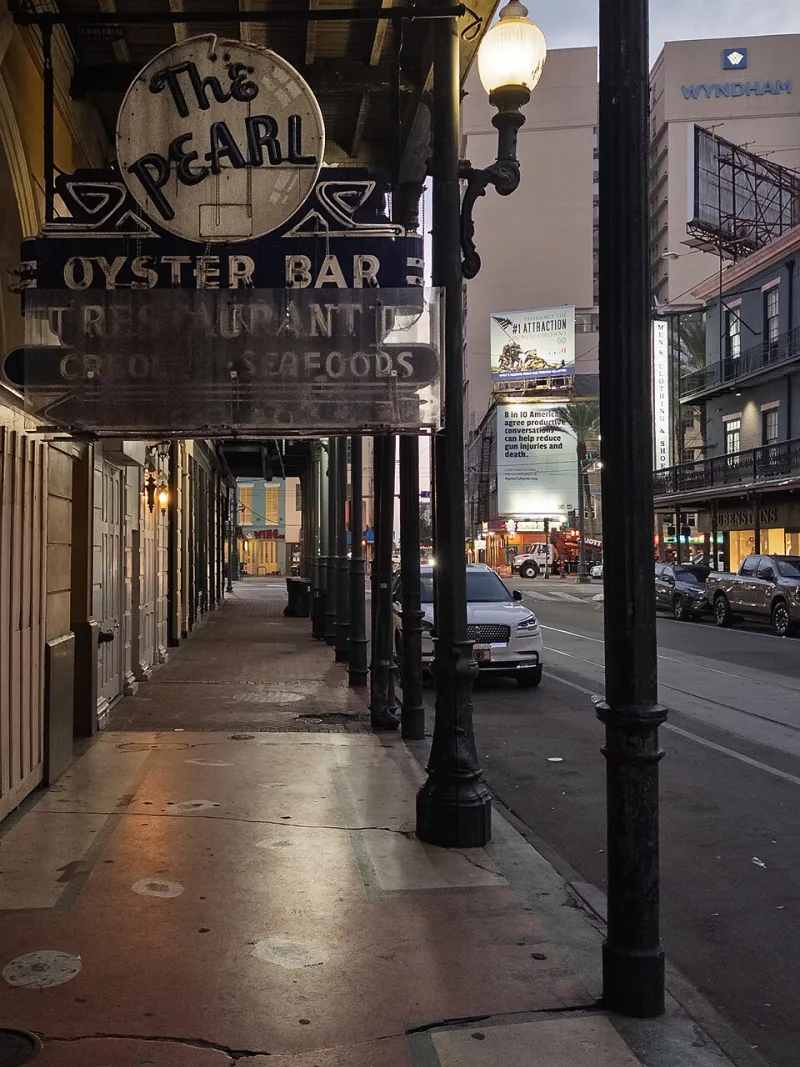
Photo: Fdy3k, CC BY-SA 4.0, via Wikimedia Commons
There's a moment every restaurant owner knows. It's 6:40 on a Friday, the room is humming, every stool at the counter has a coat on it — and there are still people walking through the door with hopeful faces. The old instinct says: squeeze them in. Pull up a folding chair. Make it work.
The best kitchens we know have learned to say something harder: We're full.
It sounds like a small thing. It isn't. It's a quiet revolution in how a restaurant thinks about its own hospitality, and after talking with cooks and owners who've made the switch, we're convinced it might be the most generous thing a dining room can do.
The Night They Started Saying No
Dale Herron ran the fryer and then the whole line at a family spot outside Lancaster, Pennsylvania, for twenty-two years. He remembers the exact Friday his owner snapped.
"We had a forty-minute wait, two servers covering the back section, and a man at table nine sent his meatloaf back because it came out lukewarm. And it did come out lukewarm. We both knew it. That's when Ray said, 'That's it. After next week, we stop seating at a full room.'"
The math is brutal and simple. Every kitchen has a capacity — a real one, measured not in seats but in how many plates can leave the pass at the quality the cook intends. Past that number, something gives. Sometimes it's the food. Sometimes it's the server's patience. Usually it's both, and the guest pays for it without ever knowing why their dinner felt slightly off.
What Scarcity Actually Buys
Here's the part that surprises people: restaurants that cap their rooms tend to get more loyal customers, not fewer.
A full-house sign does three things at once. It protects the people already seated — their food comes out hot, their server has time to remember that the little one wants extra pickles. It protects the kitchen, because a line cook at 90% capacity is an artist, and at 110% is a machine making compromises. And it protects the reputation of the place itself, because nobody ever drove home telling friends about the great meal they had at the restaurant that was clearly drowning.
There's a farmer's market version of this, too. Ever notice how the good tomato stand sells out by ten a.m. and nobody holds it against them? Scarcity, done honestly, reads as confidence. It says: we'd rather serve you well tomorrow than serve you poorly tonight.
The Awkward Part Nobody Mentions
Let's be honest about the cost. Turning someone away feels terrible, especially in a small town where the person at the door might be your kid's teacher.
The owners who do this well have tricks that soften it. Some keep a chalkboard that says "Full tonight — back at 11:30 tomorrow." A few take names for early seating the next day. One diner in Ohio hands out a card good for a free slice of pie on a return visit. The gesture matters less than the tone: regretful, not dismissive. You're not rejecting a guest. You're protecting an experience — theirs, next time.
And regulars, it turns out, respect it. There's a strange trust that builds when a restaurant demonstrates it won't overreach. People start planning their Friday around your kitchen instead of hoping your kitchen bends around their Friday.
The Home Kitchen Version
You don't need a dining room to steal this idea. Every one of us who cooks for family has hosted the dinner where we tried to do too much — one more side, one more guest, one more course — and watched the whole evening get a little frantic because of it.
The restaurant lesson translates directly: know your real capacity, and cook to it. Four people at your table? Make the braised short ribs that need three unhurried hours. Eight? Maybe it's the night for a big pot of chili and store-bought cornbread, and that's fine. A host who serves two dishes with confidence beats one who serves six with sweat on their brow.
Saying "we're full" — to guests, to extra commitments, to our own ambition — isn't a failure of generosity. Done right, it's generosity with a spine.
The Sign on the Door
Dale told us the strangest part came a month after his owner made the change. Complaints? A handful, at first. But then something else: people started arriving earlier. Reservations firmed up. The room filled faster because diners knew that a 6:30 seat was a real thing worth showing up for.
"We got our food back," is how he put it. "Not just the meatloaf. The whole reason we got into this. Feeding people properly."
So the next time you pull up to your favorite local spot and the neon says FULL, don't grumble. That sign is a promise — to the folks inside, and to you, next time. The kitchen that knows its limits is the one worth waiting for.