A Little Cup Before the Big Bowl: Bringing Back the Starter Soup
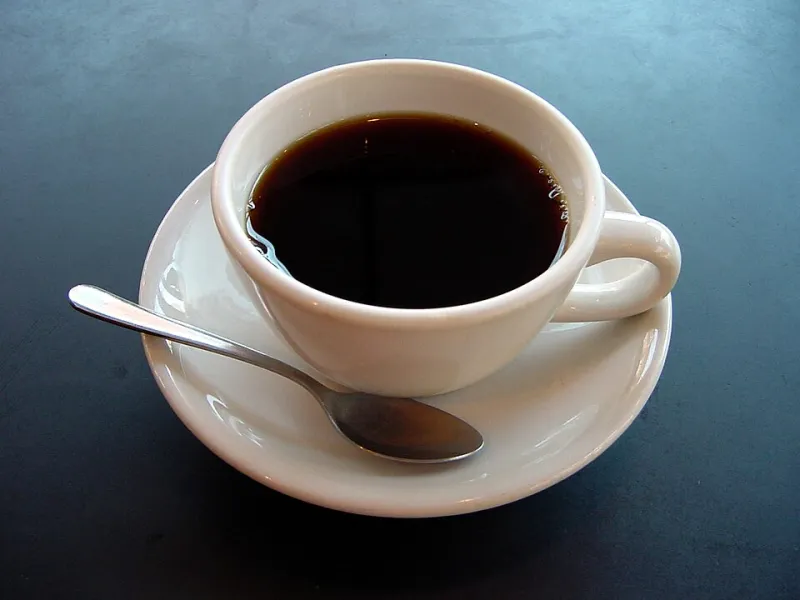
Photo: Julius Schorzman, CC BY-SA 2.0, via Wikimedia Commons
Ask your grandmother what came first at Sunday dinner, and chances are she won't say the salad. She'll say the soup.
A small cup of it — maybe half a ladle's worth — set beside the good napkins. It wasn't meant to fill anyone up. It was a signal: we're sitting down now. The day can wait. Something warm is coming, and this is just the overture.
Somewhere along the way, American diners stopped ordering it. Restaurant menus pushed soup to the side as a cup-and-soup combo, and home cooks followed. The starter bowl became a special-occasion thing, then a never thing. We think that's a small tragedy worth fixing.
Why the First Course Faded
Blame the pace of things. The starter soup belonged to an era when dinner took two hours and nobody checked a phone between courses. When weeknight cooking compressed into thirty minutes, the first thing to go was anything that required its own pot and its own moment.
There's also the salad problem. Sometime in the eighties, the side salad took over the opening slot — cold, quick, and requiring zero simmering. Fair enough. But a salad announces the meal. A soup eases you into it.
And honestly? A half-cup of soup costs almost nothing. It stretches leftovers, warms the kitchen, and buys you ten extra minutes while the roast finishes. Our cooks here have been quietly keeping the ritual alive for years — not as ceremony, but as good sense.
What a Starter Bowl Actually Is
Let's be clear about the rules, because the rules are what make it charming:
- Small. A coffee cup or a shallow bowl, half full. This is a teaser, not a course.
- Light. Clear broths and thin purées, not a meal in a bowl. Save the loaded stews for the main event.
- Warm. Temperature is the whole point. It's a hand on the shoulder before dinner starts.
If you serve a giant tureen of chowder before the meatloaf comes out, you've missed the spirit. Think of it as an amuse-bouche with a Midwest accent.
Three Starter Soups to Revive This Season
1. Lemon-Rice Cup. The Greek classic, downsized. Simmer a scoop of cooked rice in good chicken stock for five minutes, temper an egg with lemon juice and hot broth, whisk it in, done. Bright, silky, and on the table in fifteen minutes. It's the soup we serve when someone at the table has had a long day.
2. Tomato-Orange Sip. Our cook Rosa swears by this one: a can of crushed tomatoes, half a cup of orange juice, a bay leaf, a knob of butter. Simmer twenty minutes, blitz it smooth, finish with a pinch of sugar. It tastes like a sunset and costs about a dollar.
3. Old-Fashioned Onion Broth. Not French onion soup — its humbler cousin. Slice two onions thin, sweat them in butter until golden, cover with beef or vegetable stock, and simmer while you cook everything else. Float a single crouton on top if you're feeling fancy. This is the soup that made people fall in love with starter courses in the first place.
Make It a Habit, Not a Production
Here's our honest advice: don't announce it. Just put the little cups down one evening and watch what happens. Conversations start earlier. People linger. Kids ask what it is, which is its own small victory.
Batch a pot of broth on Sunday, keep it in the fridge, and you're ninety seconds away from a starter any night of the week. The ritual survives on convenience, not ceremony.
The main course will always be the star. But every good show needs an overture — and a warm little cup, poured with intention, might be the easiest way to make a Tuesday feel like Sunday.