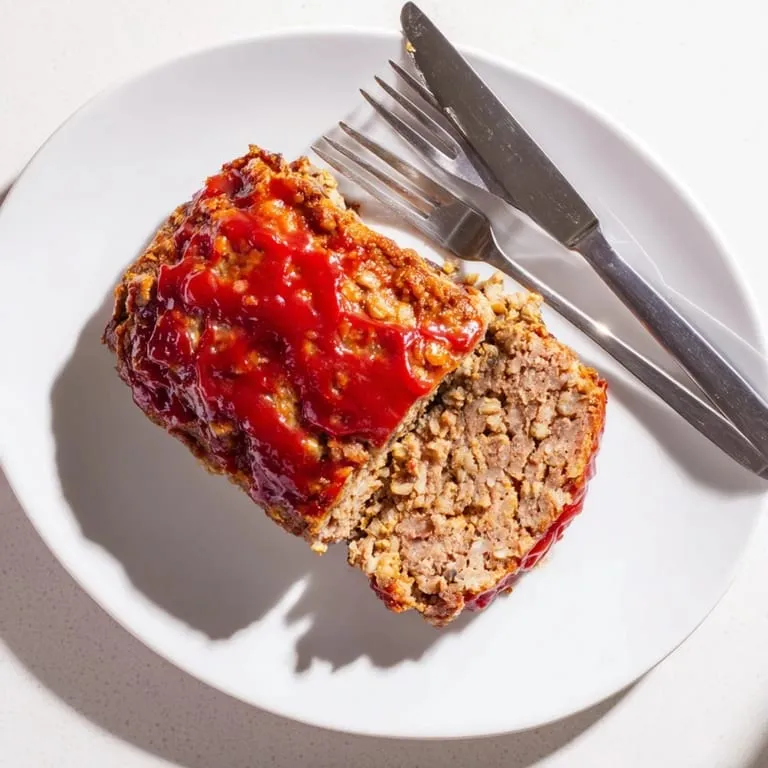
One Pan, Four Generations: The Roast That Built Our Sunday Table
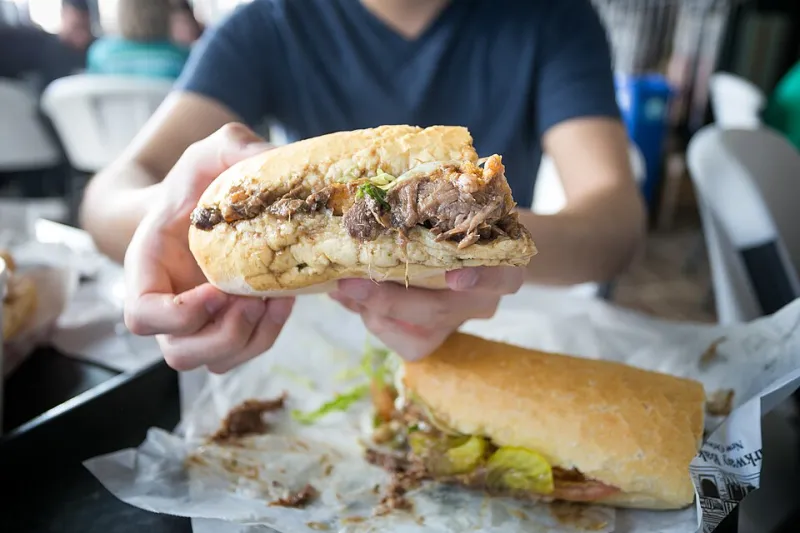
Photo: City Foodsters, CC BY 2.0, via Wikimedia Commons
There's a moment every Sunday around noon when the dining room at Hima Mmas goes quiet for just a second. The kitchen doors swing open, a server carries out a platter of golden-brown roast with dripping pan juices, and somewhere in the room, somebody sighs. We've watched it happen a thousand times, and it never gets old.
That sigh? It's the sound of memory. And it all started with a woman named Hima and a dented roasting pan that still lives in our kitchen today.
It Began at a Kitchen Table in 1987
Long before there was a restaurant, there was a small kitchen with wallpaper the color of butter and a table that seated eight — barely. Grandma Hima cooked Sunday roast the way her mother had back home: low heat, plenty of patience, and absolutely no measuring cups.
"She'd say the recipe was in her hands, not on paper," laughs Marisol, Hima's granddaughter and one of our head cooks. "The first time I tried to write it down, she swatted me with a dish towel. 'You don't write love, you make it.'"
Eventually, Marisol did get it on paper — but only after standing beside her grandmother for three straight Sundays, scribbling notes like "onions until they sound right" and "sear it until it smells like company coming."
When the family opened the restaurant, the Sunday roast was the first thing on the menu. It wasn't a business decision. It was a promise.
The Regulars Who Made It a Ritual
Ask around town and you'll hear the same thing: Sunday at Hima Mmas isn't dinner, it's an appointment.
The Delgado family has held the same corner table for eleven years. "Our kids grew up here," says Rosa Delgado. "My son learned to carve roast at this table before he learned to ride a bike. Now he's away at college and he texts me every Sunday: 'Did you go? Save me a plate.'"
Then there's Walter, a retired mail carrier who's been coming since our second week open. He orders his roast medium-rare with extra carrots — the sweet ones from the bottom of the pan that soak up all the juices. "I lost my wife in 2015," he told us once, quietly. "Sundays were hard after that. Then they weren't. You folks fixed that."
We printed that quote and hung it in the kitchen. On tough days, we read it and remember why we're here.
Why Comfort Classics Endure
Food trends come and go. We've seen kale everywhere, then cauliflower, then whatever's next. But a Sunday roast isn't a trend — it's a rhythm, like church bells or a high school football game under Friday lights.
Psychologists will tell you it's about ritual and sensory memory, that smells are wired straight into the brain's emotional centers. Grandma Hima would've put it differently: "People don't come for the meat. They come for the feeling of being somebody's guest."
There's something to that. In a world of drive-thru dinners and eating over the sink, sitting down to a meal that took four hours to make sends a message: you're worth the time.
How We Make It Today
The core method hasn't changed since 1987:
- The cut matters. We use a well-marbled chuck and top round blend — nothing fancy, just honest beef.
- Sear hard, then slow. A deep brown crust, then three hours at low heat until the fork slides in like butter.
- The mirepoix bed. Onions, carrots, and celery underneath the roast, never beside it. That's where the gravy gets its soul.
- Grandma's trick: a splash of strong black coffee in the pan drippings. It doesn't taste like coffee — it just makes everything taste more.
Marisol trains every new kitchen hire on the roast personally. "Anyone can follow a recipe," she says. "I teach them to listen. When the pan sounds right, you'll know."
Your Seat Is Waiting
We've talked about expanding — adding a second location, bottling the gravy, the usual growth ideas. Every time, we come back to the same answer: the roast works because it's here. One kitchen. One pan. One day a week when the whole neighborhood slows down together.
So come this Sunday. Come hungry, come as you are, and if it's your first time, tell the server. We'll bring you extra carrots from the bottom of the pan.
Grandma Hima would've wanted it that way.