The Glaze, The Breadcrumbs, and Five Other Things Our Cooks Swear By for Perfect Meatloaf
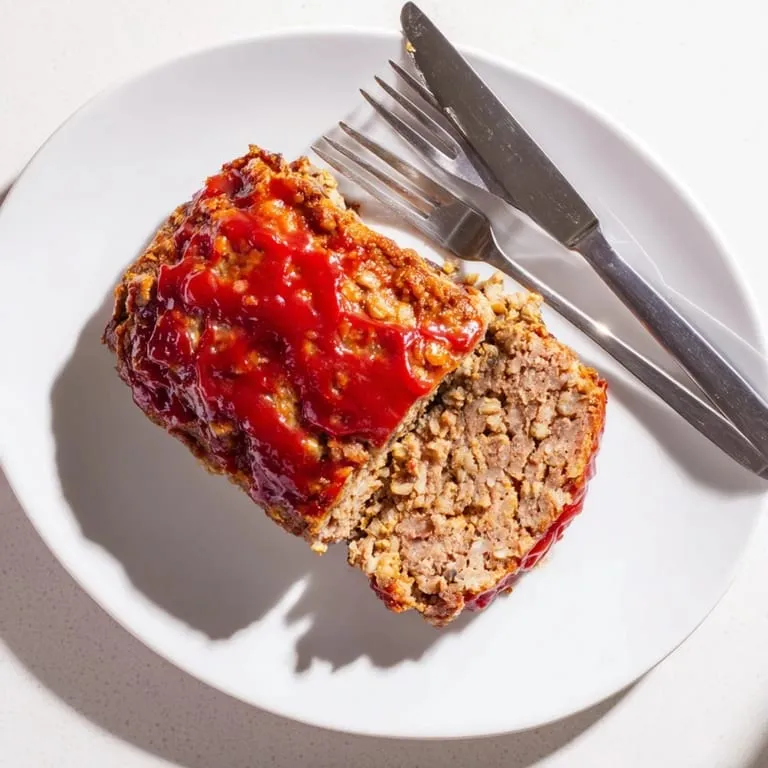
Photo: sliced homemade meatloaf with ketchup glaze on baking sheet comfort food, via simpleafer.com
Meatloaf gets a bad rap. Somewhere between school cafeterias and sad TV dinners, America forgot that a good meatloaf is a thing of beauty — moist, savory, with that sweet-tangy glaze on top that everyone fights over.
At Hima Mmas, meatloaf night is one of our busiest. Our cooks have made this dish so many times they could do it blindfolded, and they've picked up plenty of wisdom along the way. Here are their seven secrets — stolen straight from our kitchen and handed to yours.
1. Skip the Lean Beef
"People grab 93% lean because they think it's 'better,'" says line cook Darnell. "Better for what? Dry crumbles?"
Go with an 80/20 blend. Fat is flavor, and it's also insurance against a dense, dry loaf. If you want to trim fat elsewhere in the meal, do it at the salad course, not the meatloaf.
2. The Breadcrumb Debate Is Settled
Our kitchen has a long-running argument about breadcrumbs — panko versus fresh versus crackers. The verdict, after many (many) test loaves: fresh bread torn into small pieces, soaked in milk.
It's the classic panade, and it does two things: keeps the loaf tender and stops the proteins from tightening into rubber. Crackers work in a pinch, but fresh bread is what made it taste like Mom's, and Mom knew what she was doing.
3. Grate the Onion, Don't Dice It
Here's a trick we learned from Betty, a longtime customer and former diner cook who shared her method one Tuesday over coffee.
Diced onions stay chunky and can leave gaps that crack the loaf. Grated onion melts right into the meat, distributing sweetness evenly. "Nobody wants to bite into a raw onion pocket," Betty says. "Grate it. Every time."
4. Don't Overmix — Use Your Hands, Briefly
Overworking ground meat is the fastest route to a tough, meatball-textured loaf. Mix just until combined — think 30 to 45 seconds of gentle folding with clean hands.
Our youngest cook, Priya, learned this the hard way her first week. The loaf came out dense as a brick, and Darnell still calls it "the doorstop." She hasn't overmixed since. Neither should you.
5. Shape It Freeform, Skip the Loaf Pan
A loaf pan traps the sides against the walls, so the glaze can't caramelize and the fat can't escape. Instead, shape the mixture into a freeform oval on a rimmed baking sheet lined with parchment.
More surface area means more crust, and more crust means more of those crispy edges everyone secretly wants.
6. The Glaze Is Non-Negotiable
Every meatloaf we serve wears the same crown: a simple glaze of ketchup, a spoonful of brown sugar, a splash of apple cider vinegar, and a dash of Worcestershire.
The secret is timing. Brush on half the glaze before baking, then add the rest during the last 15 minutes so it caramelizes instead of drying out. That glossy, slightly sticky top layer is the reason our meatloaf night has regulars who plan their week around it.
7. Let It Rest Before Slicing
You rest a steak, so rest your meatloaf. Give it 10 minutes out of the oven before cutting. The juices redistribute, the slices hold together, and you get clean, beautiful portions instead of a crumbled mess.
This is also the perfect window to make a quick pan gravy from the drippings. Or, if you're like Walter from our Sunday crowd, to set the table and call everyone in from the yard.
Take It Home With You
The beauty of meatloaf is that it's forgiving, affordable, and somehow tastes even better the next day, tucked between two slices of white bread with a little extra glaze.
Try these seven tips and see what happens. And if you'd rather let us do the work, meatloaf night is every Wednesday at Hima Mmas — with seconds available and judgment never included.