Butter First, Questions Later: The Quiet Power of a Good Bread Basket
Photo: warm dinner rolls in a woven bread basket with soft butter on a rustic table, via media.toyota.co.uk
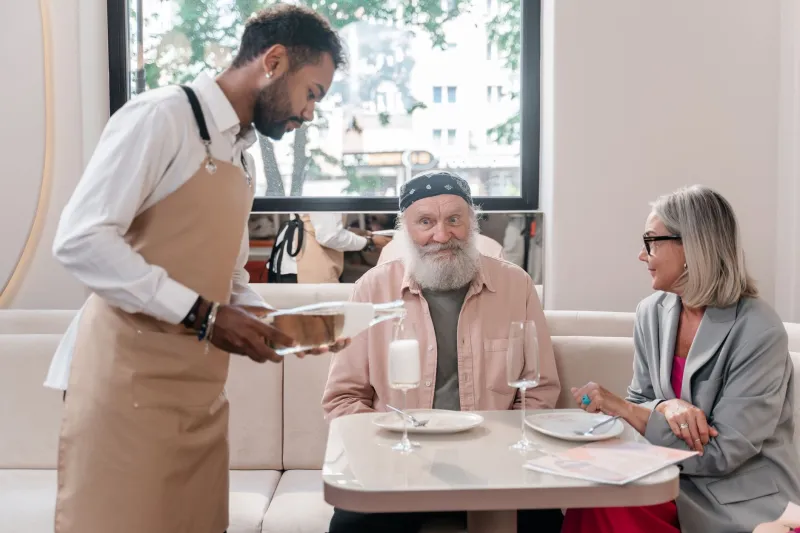
There’s a moment at the start of a good meal when nobody has decided anything yet. Menus are open. Water glasses are sweating. Someone is asking whether the onion rings are shareable. And then the bread basket lands. If the rolls are warm and the butter gives under a knife, the table relaxes. If the basket is a sad stack of crackers, everybody quietly adjusts their expectations.
At Hima Mmas, we’ve come to think of the bread basket as a promise. Not a fancy one. Not a grand flourish. Just a simple, honest signal: we’re glad you’re here, and we’re going to take care of you.
The First Course Nobody Orders
Most restaurants don’t list bread on the menu. It arrives, or it doesn’t. That’s exactly why it matters. The bread basket is the one course that shows up before anyone asks for it, which makes it feel personal. A refill says the kitchen is paying attention. Soft butter says somebody thought ahead. A roll that’s actually warm says the meal isn’t starting on autopilot.
We’ve watched this play out in the dining room more times than we can count. A family slides into a booth after a long day, still bickering about parking. The basket arrives. The kids grab first. A parent breaks a roll in half and passes it across the table. By the time the server comes back for orders, the bickering has softened into something closer to conversation. That’s not magic. That’s bread doing quiet work.
The humble basket also buys the kitchen a little grace. If the entrées take a few extra minutes, nobody minds as much when there’s something warm to nibble. It’s not about distracting people. It’s about settling them in.
Warm Rolls Are a Habit, Not a Production
Home cooks often treat warm dinner rolls like a holiday project. They’re for Thanksgiving, maybe Easter, and otherwise the bag on the counter will do. We’d like to make the case for a lower-stakes roll routine.
One of our favorite make-ahead tricks is to par-bake a tray of simple rolls, cool them completely, and freeze them in a zip-top bag. On a weeknight, pull out as many as you need, wrap them loosely in foil, and warm them at 325°F for about 10 to 12 minutes. If you want a little crust, open the foil for the last few minutes. They won’t be exactly like fresh-from-the-oven, but they’ll be close enough to change the mood of a Tuesday.
For store-bought rolls or biscuits, a little butter and a hot skillet can do wonders. Split them, brush the cut sides with melted butter, and toast them cut-side down until the edges crisp. Stack them in a clean towel and let them steam for a minute. That towel trick works for tortillas, too, and it’s the kind of small step that makes a plain basket feel intentional.
The Butter Is Half the Argument
A good roll with cold, hard butter is a small tragedy. You end up tearing the bread apart trying to get a smear, and the whole thing feels like a negotiation. Softened butter is the move. Leave a stick on the counter for 30 minutes before dinner, or cut it into cubes and let it soften faster.
Flavored butter doesn’t have to be fussy. Mash a little honey and a pinch of flaky salt into soft butter. Stir in chopped chives and black pepper. Add a spoonful of jam to butter and call it a day. None of these require a recipe card. They require a fork and about two minutes.
At the restaurant, we keep a small dish of soft butter on the pass during service. It’s not a signature item. It’s just a reminder that the first bite should be easy. That’s the standard we’d love to see at more everyday tables, too.
Bring Back the Shared Basket
Somewhere along the way, the bread basket became a special-occasion thing—something for steakhouses, holiday dinners, and old-school supper clubs. We think it belongs in the middle of the table on ordinary nights, too.
A shared basket changes the shape of a meal. It gives everyone something to do with their hands. It creates a small, low-pressure ritual before the main event. It makes a pot of soup feel like dinner instead of a stopgap. And it costs very little. A few rolls, a dish of butter, maybe a sprinkle of salt. That’s it.
You don’t need a bread warmer or a linen napkin to make it feel nice. A cutting board works. A small bowl works. Even a clean dish towel works. The point is the gesture, not the gear.
What the Basket Says About the Kitchen
We’ve learned that diners read the bread basket quickly and without being told. They notice whether it’s warm. They notice whether it’s refilled. They notice whether the butter is soft enough to spread. None of those details are expensive, but together they say something about how a kitchen thinks about hospitality.
A bread basket is not the meal. It’s not the star. But it is the first promise a table receives: settle in, we’re glad you’re here. At Hima Mmas, that’s the kind of promise we want to keep—one warm roll at a time.