The Pitcher Makes the First Move: A Lunch Shift in Small Gestures

Tuesday lunch at Hima Mmas starts with a small, unremarkable sound: the clink of a water pitcher against a stack of glasses. It is 11:38 a.m. The doors are not open yet, but the front-of-house team is already on the floor, checking tables, folding napkins, and filling two pitchers with ice water. By 11:45, the first group walks in—a pair of regulars in work boots, a mother with a toddler on her hip, and a man in a suit who looks like he has exactly thirty minutes to eat. None of them ask for water. They do not have to.
The First Pour Is a Promise
There is no ceremony to it. A server sets down a menu, flips over a glass, and pours. The water level rises. The guest says thank you, or doesn't. The server moves on. But that first pour is a quiet promise: someone is paying attention. Before the order is taken, before the specials are recited, before anyone asks whether the sweet tea is fresh, the table has already been told that it matters.
We spend a lot of time talking about the food at Hima Mmas—the gravy, the cornbread, the pot pie that sells out by one o'clock. But the water pitcher might be the most honest thing in the dining room. It cannot be faked. You either notice an empty glass or you don't. You either walk past it or you turn back.
Watching for the Half-Empty Glass
By noon, the room is full. Servers move between tables with the kind of practiced ease that looks casual but isn't. Marisol has been with us for six years. She carries a pitcher in her left hand and scans with her right. She does not stop at every table. She stops where the water line has dropped below halfway. She refills a glass while a guest is mid-sentence, then disappears before the story reaches its punchline.
'If they have to ask, we waited too long,' she says later, during a two-minute breather by the service station. 'It's not about the water. It's about showing them we see them.'
That sentence stays with me through the shift. It is a small thing, water. It costs pennies. But the act of noticing—the head turn, the pause, the decision to step toward a table that isn't waving—that is the work. And it is work. During a rush, every step counts. A server has fifteen things to do and a water refill is not on the ticket. It is invisible labor, the kind that never shows up on a receipt but shapes how a meal feels.
What Regulars Notice (and What They Don't)
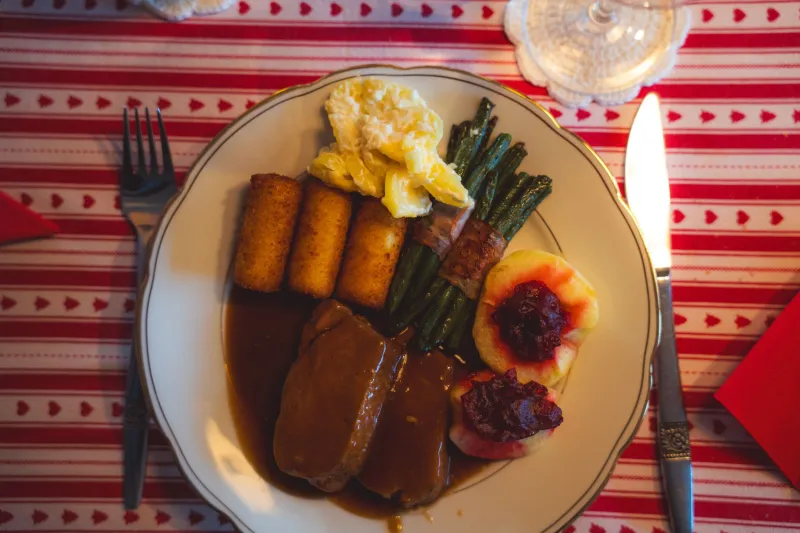
Around 12:20, I sit with Mr. Alvarez, who has been coming in every Tuesday for lunch since we opened. He orders the meatloaf plate and a glass of water. He does not remember ever asking for a refill. 'I don't think about it,' he says. 'The glass is just always full.'
When I ask what that means to him, he shrugs, then thinks. 'It means I can relax,' he says. 'I don't have to flag anybody down. I don't have to feel like a bother. I can just eat my lunch.'
That is the strange magic of good hospitality. The guest does not notice the refill. They notice the absence of worry. They notice that they never had to interrupt a conversation, never had to raise a hand, never had to wonder if they were being ignored. The best service is the service you never have to request.
A few tables over, a young mother is cutting a grilled cheese into small pieces for her toddler. Her water glass is nearly empty. Before she can look up, a server is there. The mother smiles, says thanks, and goes back to the sandwich. No interruption. No hassle. Just a full glass and a moment of ease.
The Cost of a Full Pitcher
I ask our shift lead, Dev, whether the water ritual ever feels like a burden. He laughs. 'It's not the pouring,' he says. 'It's the remembering. When you're busy, it's easy to walk past a table. Easy to think, they'll ask if they need something. But that's not the point. The point is they shouldn't have to ask.'
He tells me about training new servers. The first lesson isn't the menu. It's the water walk. Pitcher in hand, eyes moving, a slow sweep of the room every few minutes. 'You're not just filling glasses,' he says. 'You're checking in. You're saying, I'm here. I haven't forgotten you.'
There is an economics to it, too. Water is cheap. Attention is not. But a full pitcher prevents a dozen small problems—the guest who feels neglected, the table that flags down a server for something simple, the tip that shrinks because the experience felt distracted. A full glass is a small investment in goodwill. And goodwill, unlike water, is hard to refill once it runs dry.
A Lunch Shift's Quiet Scorecard
By 1:30, the rush has thinned. The servers are resetting tables, stacking plates, wiping down menus. I count the number of times someone asked for water during the shift. Twice. Both times, the guest was new, and the server had been caught at the far end of the room. It happens. But for most of the lunch, the glasses stayed full.
That is not a metric you will find on a restaurant review. No one writes about the water pitcher. But it is part of the reason people come back. It is part of the reason a Tuesday lunch feels less like a transaction and more like a visit. At Hima Mmas, we believe hospitality starts before the food arrives. It starts with a glass, a pitcher, and a pair of eyes that are paying attention. The pitcher makes the first move. We just follow it.