One Board, One Price: What the Old Chalkboard Special Can Teach Us About Dinner
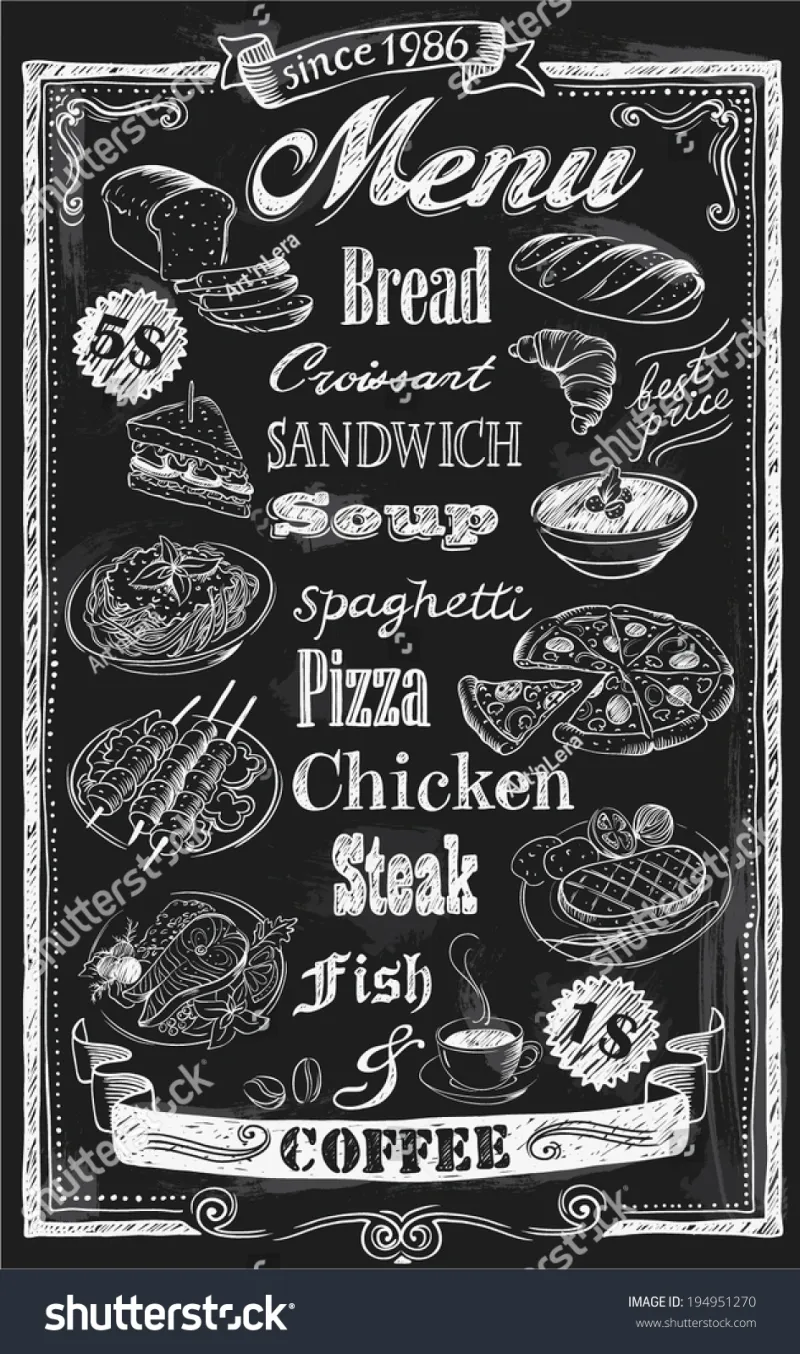
Photo: vintage diner chalkboard menu special hand written, via www.shutterstock.com
There's a chalkboard hanging in our back hallway that my grandmother would have recognized instantly. It's not fancy—just a scrap of slate with yesterday's supper still ghosted on it in chalk dust. And lately, more and more of the conversations around our kitchen have drifted back to what that little board represents: one plate, one price, no fuss.
The blue plate special is having a moment. Again. And honestly, we think it never should have left.
A Short History of the Honest Plate
If you grew up anywhere near a diner—whether it was a counter in Ohio or a roadside joint outside Fresno—you know the ritual. A chalkboard by the register. Meatloaf Mondays. Fried chicken Thursdays. A single, generous plate, a roll, maybe a scoop of mashed potatoes swimming in gravy, all for a price a kid could pay with allowance money.
The term itself dates back to the early twentieth century, when diners served specials on actual blue-patterned plates—cheap, durable, and easy to spot. What started as a workaround became an institution. The special wasn't a marketing gimmick; it was the kitchen telling you, plainly: this is what we do best today, and we'll do it right.
There was wisdom in that limitation. The cook bought what was in season and affordable. The menu stayed short because the kitchen was small. And the diner got a meal made with confidence instead of a committee of options.
Why Fewer Choices Feels Like a Gift
Here's the thing nobody says out loud about big menus: they're exhausting. Behavioral researchers have been telling us for years that too many options create paralysis, not delight. Anyone who's stood in a grocery aisle at 6 p.m., phone in hand, staring at eleven brands of chicken stock, knows this in their bones.
The daily special solves a problem we didn't know we needed solved. It says, don't worry about choosing. We chose. We thought about it. Trust us.
That's not stinginess—that's care wearing an apron. When a kitchen commits to one dish, every ounce of attention goes into it. The gravy gets tasted twice. The potatoes get mashed the way they should be. There's no room for coasting when the whole day hangs on one plate.
And with egg prices and beef prices doing their rollercoaster routine at the checkout line, the economics have come full circle. Families are rediscovering what our grandparents knew: a modest cut of meat, a starchy side, a vegetable that's in season, and a little technique will feed a table better than anything in the fancy case.
Building Your Own Blue Plate at Home
You don't need a diner counter to run a special. You just need a chalkboard (or a sticky note on the fridge) and a little weekly rhythm. Here's how we'd start:
Pick a day, pick a dish. Wednesday might be smothered pork chops with rice and cabbage. Sunday, a whole roasted chicken with pan drippings. The repetition is the point—families thrive on knowing what's coming.
Shop the sales, not the recipe. Flip the usual order. Instead of choosing a recipe and hunting ingredients, see what your store has marked down this week and build around it. A markdown on drumsticks is a menu, not a compromise.
Stretch with starch and grace. Rice, noodles, potatoes, beans—they're not fillers, they're the foundation. A well-made gravy over rice has fed more American families through tight months than any cookbook will ever admit.
Write it down where everyone can see. There's something about a visible menu that turns dinner from a question into an event. Kids will ask about Wednesday's plate all week. That anticipation is free, and it's priceless.
Keep the price honest—even if it's imaginary. Some families we know literally charge the kids' allowance a dollar for the special, just for the theater of it. The ritual matters more than the math.
The Special Is Really About Being Known
Ask anyone who frequented a diner counter what they miss, and it's rarely the food alone. It's the cook who started your plate when they saw your truck pull in. It's the waitress who knew you'd want extra bread for sopping.
The blue plate special was never really about the discount. It was about a kitchen and a customer agreeing on something simple: here's what's good, here's what it costs, and there's a seat for you.
In a season when everything at the store seems to cost more and mean less, that old arrangement looks less like nostalgia and more like a blueprint. One pot. One plate. One price. And a chalkboard that tells the whole family: tonight, somebody thought about you before you even sat down.
We'll keep ours hanging by the kitchen door. The meatloaf is on it for tomorrow, if you're wondering. Same as always.